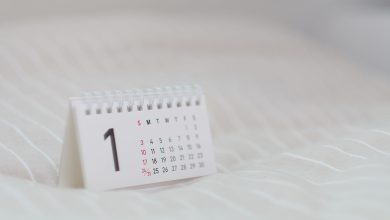

In today’s busy life, it’s all too easy for tasks, appointments, and deadlines to spiral out of control. Whether you’re a professional navigating work assignments, a student managing deadlines, or a parent juggling family commitments, mastering your schedule can be incredibly challenging. Many find themselves overwhelmed by the chaos of daily responsibilities. The good news is that consistent use of a planner can help regain control, providing structure and a clear pathway to achieving your goals.
Understanding Planner Consistency
Before diving into specific planner options, let’s clarify what we mean by planner consistency. Simply put, it’s the habit of regularly using a planner to arrange your activities, deadlines, and to-do lists. This might seem straightforward, but it often requires commitment and suitable strategies to truly integrate into your daily routine.
Why Consistency Matters
- Reduces Stress: A planner allows you to keep track of commitments, preventing last-minute scrambles.
- Increases Productivity: Knowing what you need to accomplish each day helps you prioritise effectively.
- Enhances Time Management: When you see your obligations laid out, you can allocate time wisely and create realistic daily goals.
Choosing the Right Planner Format
There are countless planner formats, each catering to different preferences and lifestyles. Here are some popular types to consider:
Daily, Weekly, and Monthly Layouts
- Daily Planners: Ideal for those with numerous appointments or tasks each day. Each day gets its own page, allowing for detailed scheduling.
- Weekly Planners: Perfect for a broader overview. You can visually map out your week while still listing daily tasks.
- Monthly Planners: Great for people who prefer a long-term view. You can highlight important dates and track progress across the month.
Digital vs. Paper Planners
Both digital and paper planners have their advantages:
- Digital Planners: Apps can sync with your phone or computer, providing reminders and ease of access anywhere.
- Paper Planners: Many find writing things down helps with memory retention. Plus, engaging with a physical planner can be more satisfying and less distracting than a screen.
Size and Portability
Consider the size that works best for you:
- A4 or Letter Size: Offers ample space for notes and detailed planning.
- A5 or Personal Size: Compact and easy to carry, making it handy for on-the-go planning.
- Pocket Size: Perfect for minimalists or those who want to jot down quick notes without bulk.
Tips to Maintain Planner Consistency
Integrating planner use into your daily routine takes effort. Here are some practical strategies to help maintain consistency:
Set a Daily Planning Ritual
Dedicate a specific time each day for planning – perhaps during your morning coffee or before bed. Use this time to review upcoming tasks and appointments.
Use Colour Coding
Designate colours for different categories, such as work, family, and personal time. This visual aid can make it easier to see at a glance what your day or week looks like.
Incorporate Meal Planning
Meal planning in your planner can streamline your grocery shopping and meal prep:
- Weekly Meal Layout: Dedicate space each week for meals. Note down what you’ll prepare each day.
- Grocery List: Create a dedicated section for ingredients needed, saving you time on shopping trips.
Habit Tracking
If you’re working towards specific goals, consider incorporating habit tracking into your planner. This can be particularly useful for:
- Exercise routines
- Reading goals
- Budget tracking
You can dedicate a section of your planner or use stickers to mark your progress visually.
Overcoming Common Pitfalls
Even the most well-intentioned planner users can face challenges. Here are some common obstacles and how to address them:
Feeling Overwhelmed
Don’t feel pressured to fill every page. Start by incorporating just a few elements that matter most. As you build the habit, gradually expand.
Losing Motivation
Change things up! Try themed months, seasonal planning, or even inviting family members to contribute to shared plans. This can foster engagement and maintain interest.
Inconsistent Use
Aim for a “non-negotiable” time each day for checking your planner. Treat it like an important appointment. The more habitual this becomes, the easier it will be to keep up.
Examples of Planner Use Across Different Areas of Life
Family Schedules
Use your planner to manage family commitments. Jot down school events, family dinners, or outing schedules. This shared tool can help everyone stay on the same page.
Work Projects
For the professionals, utilise your planner for tracking project deadlines, meetings, and key stakeholder follow-ups. Having everything laid out can improve accountability.
Hobbies
Whether you’re learning a new instrument or planning photography outings, designate time in your planner for these interests. This helps ensure that hobbies don’t get neglected amid daily responsibilities.
Important Dates
Keep track of birthdays, anniversaries, and other significant events. Seasonal planning, like prepping for Christmas or New Year, can be mapped out well in advance, ensuring you never miss an important date.
Conclusion: Your Next Steps
Mastering your schedule through planner consistency is a journey that requires practice and determination. Consider your lifestyle and preferences, and select a planner format that suits your needs. Remember, the key is to start small and build a card system that works for you.
If you’re ready to find a planner that will help transform your scheduling habits, consider exploring the variety available at Calendar Store. With the right tools, you can take control of your time and ensure you make the most of every moment. Happy planning!