
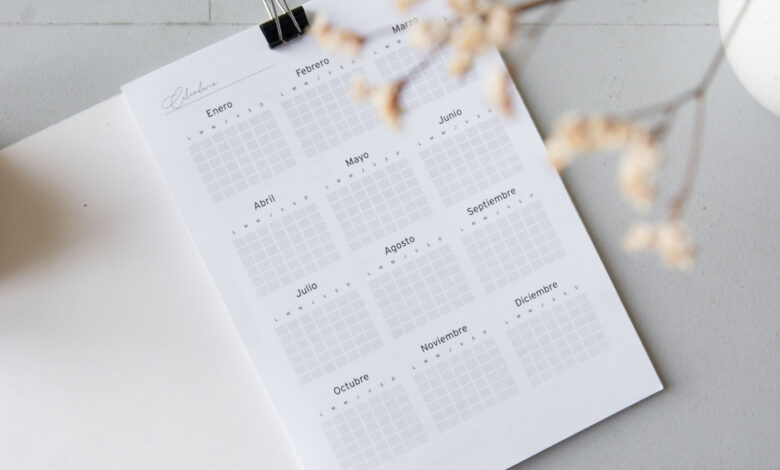
Are you often feeling frazzled, struggling to keep track of your family’s busy schedules, appointments, and commitments? If managing multiple calendars, school drop-offs, work meetings, and social events seems like an impossible task, you’re not alone. Many families find themselves overwhelmed, leading to stress and confusion. Fortunately, a planner can be a simple yet effective solution to restore harmony and organisation to your family life.
The Benefits of Using a Family Planner
Clear Overview of Commitments
One of the most significant benefits of using a family planner is the ability to see everything in one place. Whether it’s your spouse’s work schedule, the kids’ school timetables, or important family events, having a single source of truth reduces the chances of double-booking or overlooking essential commitments.
Improved Communication
A family planner encourages communication among family members. When everyone can see the upcoming events and activities, it fosters discussions about who will attend what, facilitating a more collaborative approach to family life.
Time Management
Using a planner allows for better time management. You can block out time for family activities, chores, or even personal time, ensuring that everyone’s needs are met.
Stress Reduction
Knowing what lies ahead can significantly reduce anxiety. Instead of constantly worrying about what’s on the horizon, you can focus on enjoying the present moment with your family.
Who Can Benefit from a Family Planner?
Family planners are not just for households with children. They can be valuable tools for any family, including:
- Busy professionals juggling work commitments and family obligations.
- Parents of school-age children needing to coordinate school activities and homework schedules.
- Blended families trying to merge different routines and commitments.
- Households with elderly family members needing regular appointments and check-ups.
Choosing the Right Format
When it comes to planners, there is no one-size-fits-all solution. Here’s an overview of the most common formats, sizes, and layouts to help you find the best option for your family’s needs.
Formats
-
Physical Planners: These include ring-bound planners, spiral notebooks, or hardbound diaries. Many families prefer a physical planner for its tactile nature and lack of digital distraction.
-
Digital Planners: Apps or software that can be accessed via smartphones or tablets. These often include features like reminders, calendar synchronicity, and easy sharing options.
Sizes
- Pocket-Sized: Great for carrying around but may lack enough space to detail each family member’s commitments.
- A5 (Half A4): A popular choice that offers a good balance between portability and space for notes.
- A4 (Full Size): Ideal for families who need ample writing space but can be cumbersome to carry.
Layouts
- Weekly: Allows you to see commitments at a glance, typically from Monday to Sunday.
- Daily: Provides a detailed view of each day’s appointments, useful for families with busy schedules.
- Monthly: Great for long-term planning, allowing you to mark significant events and deadlines in advance.
Practical Use Cases for Family Planners
To illustrate how family planners can be integrated into daily life, consider these practical applications:
Home Organisation
Using a planner to manage household tasks can alleviate the stress of chores and responsibilities. Each family member can be assigned tasks for the week, such as taking out the bin, walking the dog, or doing laundry. It can also help you plan for seasonal cleaning or home maintenance tasks.
School and Extracurricular Activities
When it’s back-to-school time, a planner can be invaluable for documenting school events, parents’ evenings, and extracurricular activities. For instance, mark key dates in advance, such as sports day or school productions, so that all family members can adjust their schedules accordingly.
Meal Planning
Incorporate meal planning into your weekly planner. Not only does this save time during the busy week, but it also helps in creating shopping lists and reducing food waste. For example, plan out healthy meals for each weeknight, and involve the kids by allowing them a choice each week.
Gift Giving and Special Occasions
A planner can also be a fantastic tool for tracking special events like birthdays or anniversaries. As you’re making notes about what to buy, where to celebrate, or ideas for gifts, you’ll never miss an important occasion and can plan ahead for meaningful celebrations.
Disadvantages and Considerations
While planners provide many benefits, there are also considerations to keep in mind:
- Initial Time Investment: Setting up a family planner takes time. You’ll need to spend a few hours initially to populate it with all family members’ commitments.
- Dependence on Consistency: For a planner to be effective, everyone must consistently update it. Encourage family members to check and add to the planner regularly.
- Potential Overwhelm: Sometimes, seeing everything laid out can be daunting. Make sure to keep the planner user-friendly to avoid increasing your stress levels.
Conclusion: Take the First Step Towards Organisation
Utilising a family planner can fundamentally shift the way your household operates. By envisioning a structured environment, you can move from feeling overwhelmed to achieving a sense of organised calm. Start by assessing your family’s needs, choose a format that works for everyone, and dedicate some time to set it up thoughtfully.
As you take this step towards organisation, explore the various planners available that can aid in your journey to family harmony. Finding the right fit not only streamlines your family life but also opens up more time for the moments that matter most. Now’s the time to take control of your family schedules and embrace the benefits of planning together!


