
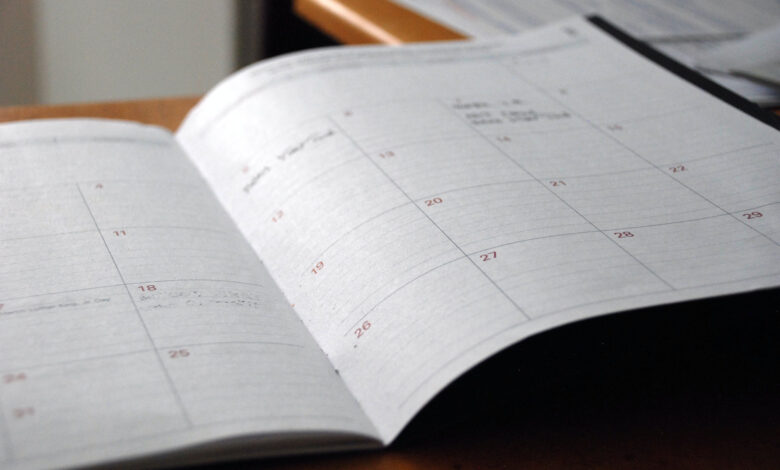
In a world where time feels increasingly scarce, finding the right organisational tool can help streamline your life and keep you focused on your goals. With many options available, two popular choices stand out: diaries and planners. While they may seem similar, each serves a unique purpose. This article explores the specifics of each, helping you decide which aligns best with your lifestyle and aspirations.
Understanding the Basics
Both diaries and planners are designed to aid in organisation and productivity, yet they cater to different needs.
What is a Diary?
A diary is often a personal space where you record thoughts, feelings, and daily happenings. It’s an intimate and sometimes reflective tool that allows for creativity and self-expression. Here are some of its defining features:
- Format: Typically, a diary consists of blank or lined pages, sometimes structured with dates.
- Content: Focuses on personal thoughts, reflections, goals, and memories rather than strictly scheduling tasks.
- Use: Great for self-discovery, keeping track of experiences, and channeling creativity.
What is a Planner?
On the other hand, a planner is a structured tool designed for scheduling and task management. Its primary aim is to help you organise your time effectively. Its key attributes include:
- Format: Planners often come in formats like monthly overviews, weekly layouts, or daily breakdowns.
- Content: Includes space for appointments, to-do lists, and events, with sections dedicated to goal-setting and progress tracking.
- Use: Primarily focused on managing tasks, deadlines, and appointments, making it perfect for busy individuals.
Practical Benefits of Each
When deciding whether a diary or a planner suits you, consider how you envision using it in your daily life.
Benefits of Using a Diary
- Emotional Expression: A diary allows for free-writing, making it a cathartic outlet for emotions.
- Creative Development: The flexibility of a diary encourages doodling or brainstorming, ideal for those in creative professions.
- Memory Keeping: Recording daily events can help preserve memories over time, ideal for personal reflection.
Benefits of Using a Planner
- Goal-Tracking: Planners are tailored for goal setting, encouraging user accountability through regular check-ins on progress.
- Time Management: Allowing you to visually structure your time can aid in increasing efficiency in both work and personal life.
- Clarity and Focus: By mapping out upcoming tasks and appointments, planners can mitigate feelings of being overwhelmed.
Ideal Users for Each Tool
The choice between a diary and a planner largely depends on your lifestyle and objectives. Here’s a breakdown:
Diary Users
- Creative Individuals: Artists, writers, or anyone who benefits from reflection and creativity.
- Emotional Processors: Those who want a safe space for mental health management and self-exploration.
- Memory Keepers: People who enjoy documenting life events for future reminiscence.
Planner Users
- Busy Professionals: Individuals juggling meetings, deadlines, and responsibilities who need strict scheduling.
- Students: Particularly useful for school assignments, extracurricular planning, and exam schedules.
- Family Managers: Parents balancing a multitude of activities, including appointments for children, work commitments, and household chores.
Common Layouts and Sizes
Choosing the right format can affect usability, so here’s what to consider:
Diary Layouts
- Blank Pages: Ideal for free expression; allows for essays, sketches, or thoughts.
- Lined Pages: More suited for writing while providing structure.
- Date-specific Entries: Some diaries come pre-dated, which can be convenient.
Planner Layouts
- Monthly View: Offers a quick snapshot for upcoming events and deadlines.
- Weekly View: Provides a detailed breakdown of tasks and appointments, ideal for daily scheduling.
- Daily Sections: For those with many appointments; allows in-depth tracking.
Sizes
Diaries and planners come in various sizes, from pocket-sized options for portability to desk planners that provide ample writing space. Consider where and how you will use your tool when choosing.
Disadvantages to Consider
Diary Drawbacks
- Lack of Structure: May be unhelpful for those needing more rigid scheduling.
- Time-Consuming: Reflective writing can be time-intensive, making it challenging for a busy individual.
Planner Drawbacks
- Less Reflective: Focuses on tasks, potentially overlooking personal reflection and creativity.
- May Feel Overwhelming: A planner can sometimes lead to pressure to complete every task, creating stress.
Making the Right Decision
When selecting between a diary and a planner, reflect on your primary objectives. Are you looking to express yourself and document your thoughts? A diary may be your best choice. If you’re focused on scheduling and productivity, a planner will likely feel more beneficial.
For those who appreciate the merits of both, combining the tools could enhance your organisational prowess. For instance, use a planner for your professional life and a diary for personal reflections—offering a well-rounded approach to goal achievement.
Seasonal Considerations
As you head into new seasons, particularly at the start of the academic year or the onset of a new calendar year, consider how your choice aligns with your goals. Perhaps a planner to manage your schedule as projects ramp up is ideal, or a diary to relish in personal milestones throughout the year.
Conclusion
Deciding between a diary and a planner can feel daunting, but reflecting on your lifestyle, goals, and preferences simplifies the process. Whichever you choose, investing in a quality diary or planner can significantly impact your organisation and productivity. Take the time to explore options and find something that resonates with you. After all, the right tool can help you create a path toward achieving your dreams—whether through documentation or detailed planning, there’s success waiting just around the corner.


