
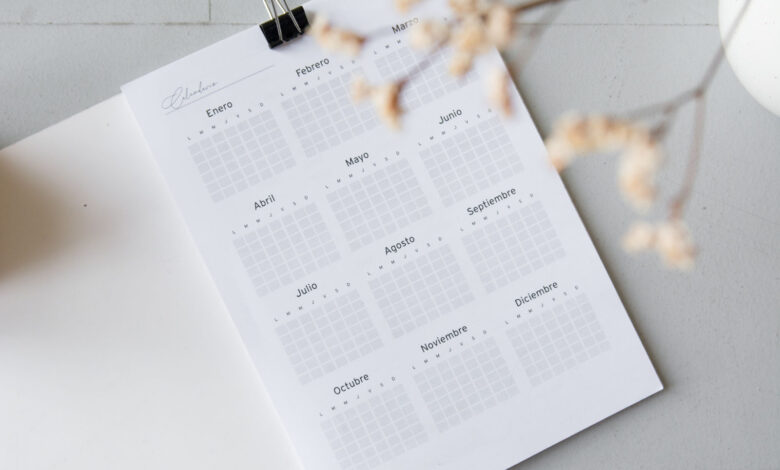
In a world brimming with distractions and responsibilities, many people struggle to stay organised and make the most of their time. If you’re nodding along, you likely understand the frustration that comes from missed appointments or forgotten tasks. A planner can be your secret weapon, helping you regain control of your schedule. But merely owning a planner doesn’t guarantee success in staying organised. This article outlines ten essential steps to effectively harness the true power of a planner and make it an integral part of your daily life.
1. Choose the Right Planner for You
The journey to effective planning begins with selecting a planner that suits your needs. This may vary depending on your lifestyle, whether you’re a busy professional, a parent, or a student. Here are a few popular formats:
- Daily Planners: Ideal for those who like to detail every hour.
- Weekly Planners: Great for a broader overview.
- Monthly Planners: Useful for long-term projects and events.
Consider the size of your planner as well. A compact planner might fit better in your bag, while a larger one offers more space for notes.
2. Set Up Your Planner with Intent
Once you have your planner, take some time to customise it. Write your name, contact details, and any important information. Decorate with stickers or colour codes that inspire you and make the pages inviting. This exercise transforms your planner from an ordinary tool into a personalised companion.
3. Establish a Regular Planning Time
Consistency breeds success. Establish a regular time each week to sit down and plan out the days ahead. This could be Sunday evenings, allowing you to mentally prepare for the week. During this time, note appointments, deadlines, family events such as school meetings, or activities related to your hobbies.
4. Prioritise Tasks with a System
Effective planners often include a prioritisation system, such as the Eisenhower Matrix, dividing tasks into four categories: urgent, important, non-urgent, and non-important. This method allows you to focus on what truly matters, leading to enhanced productivity.
- Urgent and important: Do these tasks first.
- Important but not urgent: Schedule these tasks for later.
- Urgent but not important: Delegate if possible.
- Neither urgent nor important: Consider dropping these tasks.
5. Integrate Personal and Work Schedules
A planner should encompass all aspects of your life. When planning your week, include personal commitments such as family dinners, social events, or fitness classes alongside your work tasks. This makes it less likely that appointments will clash, helping maintain a healthy work-life balance.
6. Use Your Planner as a Meal Planning Tool
Incorporating meal planning into your planner can simplify grocery shopping and enhance healthy eating habits. Set aside time each week to plan meals. Not only does this reduce food waste, but it also saves time during busy evenings.
Quick Meal Planning Tips:
- Choose a theme for each day’s dinner (e.g., Meatless Monday).
- List ingredients needed next to your meal plan.
- Highlight days where special events or takeaways are planned.
7. Track Long-Term Goals and Projects
Beyond daily planning, your planner can serve as a powerful tool for tracking long-term goals, be it fitness targets, academic achievements, or home renovations. Dedicate a section to these goals, breaking them down into actionable steps, and add deadlines to keep yourself accountable.
8. Make Use of Reflections
Take advantage of your planner’s pages for reflection. At the end of each month or week, jot down what went well and areas for improvement. This practice not only fosters self-awareness but also helps in making adjustments for the future.
9. Embrace Flexibility
While planning is essential, life is unpredictable. Embrace flexibility in your schedule to account for changes or unforeseen events, such as a child’s sudden illness or a work emergency. Use your planner to shift tasks rather than adhering rigidly to an initial plan. This adaptability prevents stress and keeps your planner functional rather than burdensome.
10. Celebrate Your Successes
Finally, make sure to celebrate your achievements, big and small. As you check off tasks or complete projects, take a moment to acknowledge your hard work. Whether it’s a simple treat or indulging in a preferred activity, recognising your progress reinforces positive habits.
Conclusion
Choosing to consistently use a planner is a commitment that can yield immense benefits, not only in organisation but also in reducing stress and boosting productivity. By thoughtfully selecting a planner and integrating these ten actionable steps into your routine, you can unlock its full potential. So take the leap and explore various planners that resonate with your lifestyle—your future self will thank you. Consider browsing the calendars and planners available from Calendar Store to find the perfect fit for your needs today!


